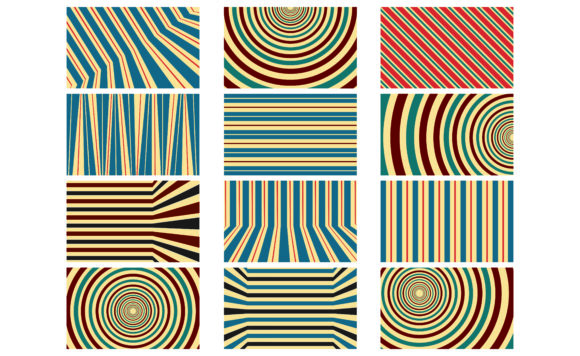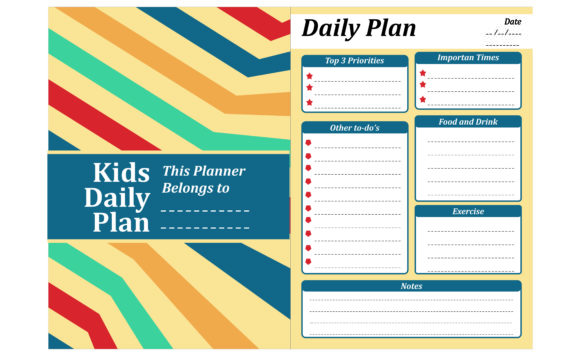
Old Vintage Retro Theme Backgrounds
I have spent years reviewing embroidery files, testing them on everything from delicate silk to heavy denim. When I first encountered Old Vintage Retro Theme Backgrounds, I wasn't just looking at a graphic; I was visualizing the finished texture of thread on fabric. In the world of handmade goods and boutique branding, the difference between a generic design and a professional piece often comes down to the background atmosphere. This set promises a specific mood—one that feels nostalgic, worn-in, and authentically classic. As a designer who values practical application over flashy marketing, I decided to put these assets through a rigorous mental simulation before recommending them for your next commercial project.
The First Impression: Mood and Visual Personality
The immediate feeling when opening this collection is one of warmth. Unlike stark modern graphics that demand attention with neon colors or sharp geometric lines, Old Vintage Retro Theme Backgrounds invites the viewer in. The shapes feel organic, and the layout suggests a story rather than just a label. For an embroidery designer, this is crucial because thread cannot replicate the crispness of a vector line perfectly; it relies on texture and density to create depth. These backgrounds appear designed to complement that limitation, offering a textured canvas that makes satin stitches look richer and fill stitches more substantial.
The visual personality here leans heavily into the "crafted" aesthetic. It fits naturally into categories like Crafts and Graphics where authenticity matters most. Whether you are creating a logo for a coffee shop, a patch for a workwear jacket, or a decorative element for a nursery pillow, the retro theme provides a timeless anchor. It doesn't scream for attention; instead, it whispers quality, suggesting that the item has been loved for years even if it is brand new.
Real-World Application: A Case Study in Custom Apparel
To truly understand how Old Vintage Retro Theme Backgrounds performs, let us imagine a real-life scenario. You are preparing for a holiday craft fair, and your goal is to launch a limited run of custom embroidered tote bags featuring local artisans. You need something that stands out on a crowded table but also feels cohesive with the vintage aesthetic of your booth. You decide to use this design as the backdrop for a central motif, perhaps a floral arrangement or a hand-lettered quote.
In this context, the design shines. The layered nature of the background allows the machine embroidery to sit comfortably without feeling cramped. When stitched onto a natural canvas tote bag, the retro elements blend seamlessly with the weave of the fabric. Customers browsing the stall will likely react positively to the tactile feel of the stitching against the textured background. It elevates a simple tote bag from a basic utility item to a curated fashion accessory. The design supports the narrative of "handmade with care," which is exactly what buyers are looking for when they pay a premium for small business merchandise.
This same logic applies to sweatshirt embroidery. Imagine a crewneck sweatshirt intended for a boutique clothing line. Using Old Vintage Retro Theme Backgrounds as a subtle wash behind a bold central graphic can add a layer of sophistication that flat prints often lack. The design assets allow for versatility; you can scale them down for a chest pocket detail or expand them for a full-back statement piece. For Etsy sellers and digital product creators, this flexibility means you can create multiple listings from a single file set, maximizing your return on investment.
Where Caution is Required: Technical Limitations
While the aesthetic appeal is undeniable, a responsible designer must always consider the technical constraints of embroidery. There are specific scenarios where Old Vintage Retro Theme Backgrounds requires careful handling. If you are working with small hoop sizes, such as those used for baby clothes or cap brims, you must scrutinize the fine details. Tiny lettering or intricate corner accents might get lost in the stitch density, especially if the fabric is textured or stretchy.
Dark fabrics present another challenge. If the background design relies on light tones to create its vintage feel, stitching it directly onto black or navy material without a proper underlay could result in a muddy appearance. In these cases, you may need to adjust your thread colors or add a stabilizer layer to ensure the background pops. Similarly, curved surfaces like caps can distort the perspective of a flat background design. You must test the placement carefully to ensure the retro theme maintains its integrity and does not look warped after being pulled tight around the curve of the hat.
Dense stitch areas should also be approached with caution. If the background includes heavy fill patterns, it could make the fabric stiff and uncomfortable, particularly for items like aprons or kitchen towels that require frequent washing and movement. Always inspect the small details and test the design on scrap fabric first to gauge the final stiffness and drape of the finished product.
Impact on Brand Consistency and Customer Trust
Using high-quality design assets like Old Vintage Retro Theme Backgrounds directly influences customer trust. In the competitive landscape of handmade products and commercial embroidery, presentation is everything. A well-executed design signals professionalism. When a buyer sees a consistent, thoughtfully composed background that enhances the main embroidery, they perceive higher value in the item. This perception translates to better reviews, repeat customers, and stronger brand recognition.
For creative entrepreneurs and small shop owners, consistency is key to building a loyal following. If your embroidery projects all share a similar vintage soul, whether it is on a personalized gift, a wedding favor, or a boutique product, you establish a distinct visual identity. Old Vintage Retro Theme Backgrounds helps bridge the gap between different product types, ensuring that a tea towel looks as polished as a sweatshirt. This cohesion makes your entire catalog feel like a unified collection rather than a random assortment of items.
Practical Designer Notes for Execution
Before you commit to a large production run, there are essential steps every embroiderer should take. First, review the file formats included—JPG, EPS, PNG, SVG, and AI—to ensure you have the right tools for your workflow. Convert the design to your machine's native format only after verifying that the stitch count and density settings align with your specific machine capabilities.
Always check thread color contrast by viewing the design in black and white mockups. This simple trick reveals if the background will overpower the foreground or if the two will blend too much. Test the design on both light and dark fabric backgrounds to see how the vintage tones translate across different materials. Ensure you are using the proper stabilizer to support the weight of the background stitches, especially if the design is dense.
If you plan to sell finished items, confirm the licensing terms regarding commercial embroidery. Some designs allow for unlimited sales, while others restrict the number of units or require attribution. Finally, compare the design against other design assets you own to ensure it fits your current style guide. By taking these precautions, you ensure that Old Vintage Retro Theme Backgrounds delivers a flawless finished product that meets the highest standards of the craft business.
Ultimately, this collection offers more than just a pretty picture; it provides a foundation for storytelling through thread. Whether you are making a holiday gift for a family member or launching a new line of custom apparel, the retro charm of this design adds a layer of depth that resonates with anyone who appreciates the art of handmade creation.