Old Vintage Retro Theme Backgrounds Set Review
I have spent years reviewing embroidery files, testing them on everything from delicate baby rompers to heavy-duty canvas totes. When a new download arrives labeled as Graphics and Crafts, I don't just look at the preview images; I immediately start thinking about how those pixels translate into thread tension, stitch density, and final product value. Today, I am putting the Old Vintage Retro Theme Backgrounds Set through its paces to see if it truly belongs in your commercial arsenal or if it should stay in your personal inspiration folder.
The First Impression: Mood and Marketability
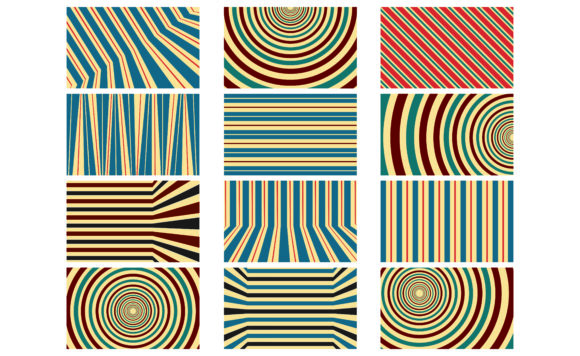
The moment you open the package for the Old Vintage Retro Theme Backgrounds Set, you are hit with a specific nostalgia that feels both worn-in and timeless. The visual personality of these backgrounds is distinct. They do not scream for attention like modern neon graphics; instead, they whisper a story of craftsmanship and heritage. For an embroidery designer, this mood is gold. It suggests a project that is meant to be cherished, not just worn.
In the current market, buyers are gravitating toward items that feel authentic and handcrafted. A simple solid-color background often looks cheap when stitched, but a textured vintage backdrop adds immediate depth and perceived value. This set provides that foundation perfectly. Whether you are creating a boutique brand for Etsy or designing custom gifts for a local holiday market, the retro aesthetic bridges the gap between digital design and tactile reality. It feels right at home on a kitchen towel or a nursery wall hanging, setting a stage where the actual embroidery can shine without competing for space.
Real-World Application: From Screen to Stitch
Let me walk you through a scenario where I would actually use this Old Vintage Retro Theme Backgrounds Set. Imagine you are preparing a custom embroidered tote bag for a client who runs a small flower shop. You need something that says "vintage garden" without being cluttered. You place the background file onto your digitizing software, layering your floral motif over the textured retro pattern.
When I simulated this on my screen, the contrast was excellent. The background provided a subtle noise that made the satin stitches pop. If I were stitching this on a light-colored canvas tote, the vintage texture would create a beautiful shadow effect, making the design look deeper than it actually is. However, the same logic applies to sweatshirt embroidery. A retro background on a heather grey hoodie gives off that perfect 90s casual vibe that sells so well in the apparel sector. It transforms a standard logo into a statement piece.
This versatility extends to baby items as well. A soft pastel version of these backgrounds works wonderfully for personalized baby blankets or bibs. The vintage theme implies durability and classic style, which appeals to parents looking for heirloom-quality gifts. Similarly, for holiday gifts, think of a Christmas ornament or a decorative pillow cover. The retro elements evoke memories of past winters, adding an emotional layer to the finished product that customers love to share on social media.
Where Caution is Required
While the aesthetic appeal is high, a professional designer knows that beauty does not always equal stitchability. There are specific scenarios where the Old Vintage Retro Theme Backgrounds Set requires careful handling. If you are working with a very small hoop size, such as one intended for a cap or a tiny patch, the intricate details within the background texture might get lost. Tiny lettering or fine lines in the retro pattern can easily disappear if the fabric is too textured or if the stitch density is too low.
Texture is a double-edged sword here. While a rough fabric like burlap enhances the vintage look, it can also cause the needle to skip stitches if the stabilizer isn't robust enough. Stretchy fabrics present another challenge. If you attempt to embroider this detailed background on a thin, stretchy jersey material without proper backing, the design will pucker, ruining the clean lines of the retro shape. Dark fabrics also demand a strategic approach; the background might lose its definition if the thread colors chosen do not provide enough contrast against the dark base.
I would also advise against using this design for products that require frequent washing and heavy abrasion, such as work aprons used in industrial kitchens, unless you reinforce the edges heavily. Dense stitch areas in the background can make the fabric stiff, which might be uncomfortable for wearable items like t-shirts if the density is pushed too high. Always test the balance between the background texture and the comfort of the garment before committing to a large production run.
Visual Appeal and Brand Consistency
Using the Old Vintage Retro Theme Backgrounds Set effectively elevates the entire presentation of your handmade product. In the world of Etsy sellers and small shop owners, visual consistency builds trust. When your branding materials, digital mockups, and physical products all share that cohesive retro vibe, customers recognize your quality instantly. It signals that you care about the details, from the file format down to the final stitch.
This design asset helps justify a higher price point. A plain embroidered logo might sell for twenty dollars, but a logo layered over a rich, textured vintage background feels like a premium item worth forty or fifty. It adds a layer of sophistication that makes the finished product feel more like art than merchandise. For commercial embroidery projects, this distinction is crucial. It allows you to compete with larger brands by offering unique, artisanal designs that mass-produced goods simply cannot replicate.
Furthermore, the inclusion of various file formats like JPG, EPS, PNG, SVG, and AI means you can adapt the background for different stages of production. You can use the vector files for resizing and scaling in your design software, while the raster files are perfect for creating printable mockups to showcase your work online. This flexibility ensures that your workflow remains smooth and efficient, allowing you to focus on the creative aspects of your craft business rather than technical limitations.
Practical Designer Notes for Success
Before you dive into your next embroidery project with this set, there are a few non-negotiable steps to ensure success. First and foremost, test the design on scrap fabric. Do not assume that because it looks good on a screen, it will stitch out perfectly on your specific machine. Check the thread color contrast carefully; sometimes a background that looks vibrant in digital form can appear muddy when rendered in thread.
Review the stitch density closely. If the background has large fill areas, ensure your machine can handle the tension without breaking needles or causing puckering. Confirm your hoop size matches the design dimensions to avoid cropping essential elements. Inspect small details, especially if you plan to add text or small icons over the background, to ensure legibility.
It is also wise to test the design in black and white mockups first. This helps you visualize the contrast and value distribution without the distraction of color. Compare how the design performs on both light and dark fabric backgrounds to determine the best color palette for your target audience. Use the proper stabilizer for your fabric type; a cut-away stabilizer is often necessary for maintaining the integrity of detailed backgrounds on woven fabrics.
Finally, verify whether the license covers both personal and commercial projects. Many designers overlook this detail until they are ready to sell their finished products. Ensure you understand the terms regarding digital embroidery files and whether you can resell the final physical items. By following these practical steps, you can confidently integrate the Old Vintage Retro Theme Backgrounds Set into your workflow, creating stunning custom apparel, personalized gifts, and craft business items that stand out in a crowded marketplace.