Old Vintage Retro Backgrounds: A Designer's Real-World Review
As someone who has spent years turning digital files into tangible, stitched treasures, I know that the difference between a good project and a great one often lies in the foundation. When I first opened the Old Vintage Retro Backgrounds collection, my initial reaction wasn't just about the aesthetic; it was about utility. In the world of Crafts and Graphics, there are plenty of designs that look pretty on a screen but fall apart under the needle. This review is based on how this specific design set performs when moved from a computer monitor to a real embroidery hoop, specifically for those of us running small businesses or creating high-end handmade products.
The Mood and Visual Personality
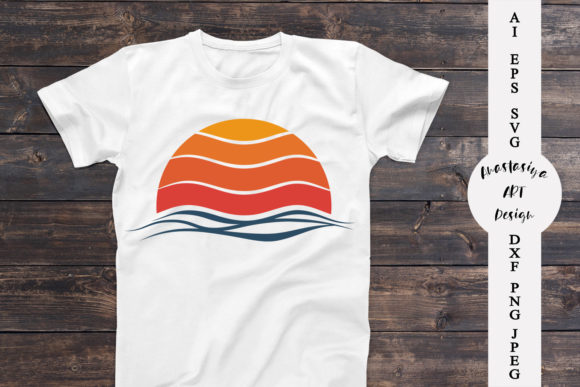
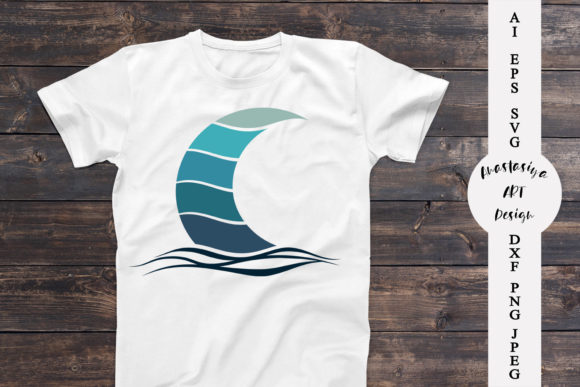
Old Vintage Retro Backgrounds immediately evokes a sense of nostalgia without feeling cluttered. The mood is warm, slightly weathered, and inviting, which is exactly what modern consumers are craving in their personalized gifts and boutique items. Unlike stark, geometric backgrounds that can feel cold on a textile, this design brings a textured, organic feel that mimics the imperfections of hand-stitched work. It feels like something you would find in an old attic or a curated vintage shop, making it perfect for brands that want to emphasize authenticity and history.
The layout is versatile enough to serve as a subtle backdrop for text-heavy designs or bold enough to stand alone as a statement piece. For a designer evaluating this for a client project, the visual personality suggests a connection to heritage, craftsmanship, and timelessness. Whether you are designing for a coffee shop apron or a baby's christening blanket, this background adds a layer of sophistication that elevates the perceived value of the finished product.
Real-Life Application: From Screen to Stitch
I recently put Old Vintage Retro Backgrounds to the test while preparing a custom order for a local boutique owner. She needed a series of embroidered tote bags for a holiday gift guide, and she wanted them to have a "lived-in" look rather than a crisp, factory-finished appearance. We decided to use this design as the base layer before adding her custom monogram text.
The results were striking. Because the background features varied stitch densities, it created a natural depth that caught the light beautifully. On the canvas tote bags, the design didn't just sit on top of the fabric; it seemed to become part of it. Customers walking through the market stopped to touch the texture, asking if it was hand-painted. That tactile response is the holy grail of embroidery design. It transformed a simple bag into a premium handmade product that justified a higher price point.
This same versatility applies to sweatshirt embroidery and baby clothes. The retro aesthetic pairs exceptionally well with soft, brushed fabrics, creating a cozy, nostalgic vibe that parents love for nursery decor. For an Etsy seller looking to differentiate their listings, using this background can turn a generic listing into a story-driven piece that stands out in search results. It works equally well for embroidered patches where the vintage look adds character to a patch that might otherwise look too rigid.
Where Caution Is Required
While Old Vintage Retro Backgrounds is a robust choice, no design is without its challenges. As an experienced reviewer, I must highlight where this file requires careful handling. If you plan to use this on a curved surface like a cap or a hat, be mindful of the distortion. The retro elements need to flow naturally with the curve of the brim, and aggressive stretching can ruin the intended vintage aesthetic.
Similarly, when working with small hoop sizes, the fine details within the background might get lost or appear muddy if the resolution isn't sufficient. Always inspect the stitch density closely. If the background is too dense, it can make the fabric stiff and uncomfortable, particularly for apparel worn against the skin. For stretchy fabric like jersey knits, ensure you are using a stabilizer that provides enough support to prevent puckering, as the detailed nature of this design will exaggerate any tension issues.
Dark fabrics present another consideration. While the download includes various formats, the contrast is key. If the background colors are not sufficiently vibrant against a black or navy shirt, the design may lose its impact. Testing on scrap fabric is non-negotiable here. You need to see how the thread colors interact with the specific weave of your material before committing to a final finished product.
Impact on Brand and Customer Trust
In the competitive landscape of craft business and digital product sellers, consistency is everything. Using a cohesive design language like Old Vintage Retro Backgrounds helps build brand recognition. When a customer sees this specific style across multiple items—a kitchen towel, a pillow cover, and a custom apparel item—they begin to associate that quality with your brand name.
This design also enhances giftability. A product that looks thoughtfully designed and professionally executed feels more personal. The vintage theme resonates with buyers looking for unique, meaningful gifts for weddings, holidays, or anniversaries. It signals that the maker cares about detail and aesthetics, which fosters trust and encourages repeat purchases. For a commercial embroidery project, this level of polish can be the deciding factor in securing a contract with a larger retailer.
Practical Notes for the Embroidery Designer
Before you start stitching, there are several technical steps you should take to ensure success. First, verify the file formats provided in the download. Since the package includes JPG, EPS, PNG, SVG, and AI, you have flexibility, but always check which format is best suited for your specific machine software. Not all machines read vector files equally well, so converting to a native embroidery format is essential.
Always run a test on scrap fabric to check thread color contrast and stitch density. Look at the design in black and white mockups to ensure the tonal values work together. Check whether the design works for both personal and commercial projects by reviewing the license terms carefully; some assets restrict resale of digital files even if the physical item is sold. Confirm the recommended hoop size and ensure your stabilizer choice matches the weight of your fabric. For heavy-duty items like aprons, a cut-away stabilizer is usually necessary to maintain the integrity of the running stitch and fill stitch areas over time.
If you are creating printable mockups for your online store, use the high-resolution versions to show potential buyers exactly how the embroidery design will look. This transparency reduces returns and increases buyer confidence. Finally, remember that the beauty of Old Vintage Retro Backgrounds lies in its ability to adapt. Whether you are creating a single personalized gift or a line of small shop products, this design asset offers a professional foundation that respects the craft of embroidery.
By treating this design with the respect it deserves—testing thoroughly, choosing the right materials, and understanding its limitations—you can create stunning pieces that honor the vintage spirit while meeting modern standards of quality. It is a tool that, when used wisely, can elevate your entire portfolio of design assets.