Red Rose Clipart Collection
When I first opened the Red Rose Clipart Collection, my immediate thought wasn't about file formats or vector paths. It was about the mood it set for a potential customer. As an experienced designer who has stitched thousands of designs on everything from stiff denim to delicate silk, I know that the difference between a generic graphic and a marketable product often comes down to personality. This playful flat vector icon set captures a specific energy: vibrant, approachable, and distinctly modern. It feels less like a vintage botanical illustration and more like a fresh, digital-first asset designed for the fast-paced world of social media and boutique branding.
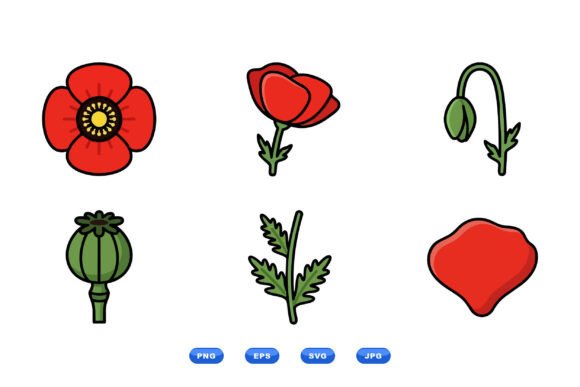
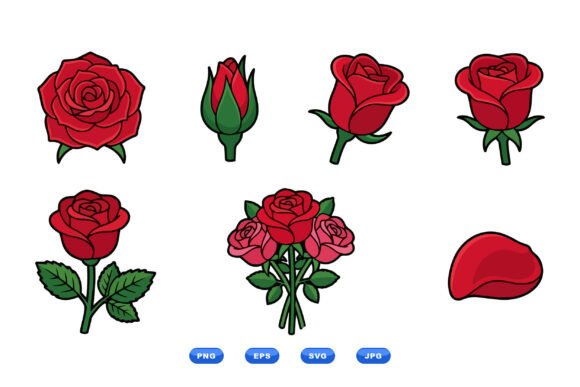
The visual personality here is crucial. The collection features variations of red roses, including buds, blooms, stems, and bouquets. In the context of embroidery, where we translate 2D images into 3D textures, the "flat" nature of these icons is actually a strength rather than a weakness. They rely on clean lines and bold shapes, which translates beautifully when converted into machine embroidery stitches. If you are an Etsy seller looking to refresh your shop's aesthetic, or a small business owner needing consistent branding across a line of handmade products, this Graphics category entry offers a cohesive look that avoids the cluttered, overly detailed styles that often get lost in stitching.
From Digital File to Finished Product
Let me walk you through a real scenario. Imagine you are preparing a custom embroidered tote bag for a local flower market event. You need something that pops against canvas but doesn't overwhelm the fabric. You pull up the Red Rose Clipart Collection and select a single bloom with a simple stem. Because the original design is a flat vector, the conversion process to an embroidery file allows for precise control over stitch types.
I envision using a satin stitch for the outline of the rose to give it that crisp, defined edge that customers love to touch. The fill areas can be handled with a fill stitch or a running stitch, depending on the desired texture. The result is a design that looks intentional and professional. Unlike complex photorealistic images that turn into muddy blobs of thread on a cheap polyester blend, this collection maintains its clarity. When a customer pulls that tote out of their bag, they see a sharp, recognizable symbol that communicates quality immediately. It elevates a standard canvas bag into a handmade product that feels curated and thoughtful.
This same logic applies to apparel decorators working on sweatshirts or baby clothes. A playful red rose on a onesie or a child's hoodie adds a touch of whimsy without being too heavy. The simplicity of the design ensures that the embroidery remains comfortable against sensitive skin, avoiding the bulky, scratchy feel that dense fill stitches can sometimes create on thin fabrics.
Navigating Fabric and Surface Challenges
However, not every surface is created equal, and as a reviewer, I must point out where this design requires careful handling. While the Red Rose Clipart Collection is versatile, it is not magic. If you plan to use this on a curved surface like a baseball cap, the flat nature of the original art might require slight adjustments during digitizing to accommodate the curvature. A design that looks perfect on a flat screen can distort if the underlying geometry isn't respected during the stitching phase.
Texture is another factor to consider. On a heavily textured fabric like a thick wool blanket or a rough linen, the fine details of the stem or the smaller petals in the bud variation might get lost. The contrast between the thread and the fabric becomes the most important element. If you are working with dark fabric, you will need to ensure your thread colors provide enough lift. The vibrant red of the clipart suggests bright threads, but on a navy blue background, a lighter shade might be necessary to maintain visibility.
Small hoop sizes present a particular challenge. If you are creating tiny embroidered patches or decorative accents for a tea towel, the detail level of the bouquet variation might be too intricate for a 4x4 hoop. In those cases, simplifying the design or choosing the single bloom motif is essential. Dense stitch areas should also be monitored; while the design is relatively open, adding too many layers of stabilizer or using the wrong stitch density can cause puckering, especially on stretchy fabrics like jersey knits used for t-shirts. Always test the design on scrap fabric first to gauge how the stitch density interacts with your specific material.
Building Trust and Brand Value
In the world of commercial embroidery, consistency is king. The Red Rose Clipart Collection offers a unified style that helps build brand recognition. Whether you are producing holiday gifts, wedding favors, or personalized gifts for a client, having a consistent visual language makes your shop look established and professional. Customers subconsciously associate neat, well-executed embroidery with high-quality craftsmanship.
When you list a custom apparel item or a tote bag design on a platform like Etsy, the visual appeal of the finished product drives engagement. A clear, vibrant rose image in your printable mockups suggests that the actual item will be just as impressive. It reduces buyer anxiety because the design promises clarity and precision. This is particularly true for digital embroidery files sold to other makers; providing a preview that shows exactly how the flat vector translates to a stitched sample builds trust in your design assets.
Furthermore, the versatility of this collection supports a wide range of projects beyond just clothing. Think of aprons for a cooking class, pillow covers for nursery decor, or kitchen towels for a bridal shower. The playful yet elegant nature of the red rose fits seamlessly into these categories. It bridges the gap between a hobbyist's craft fair product and a boutique's premium merchandise. The design acts as a neutral anchor that allows the color palette of your thread to shine, letting you adapt the same pattern for spring pastels or deep autumn tones.
Practical Notes for the Designer
Before you commit this design to a production run, there are a few technical steps that separate a pro from an amateur. First, verify the file formats. The package includes SVG and EPS files, which are excellent starting points, but you will need to convert them into your specific machine embroidery format. Check the stitch count and review the stitch directions to ensure the flow of the design mimics the natural growth of a rose.
Always inspect small details closely. The stems and leaves in the bouquet variation contain thin lines that may require a tighter stitch length or a different needle type to prevent breakage. If you are planning to sell finished items commercially, confirm the licensing terms explicitly. Just because a file is downloadable does not always mean you have the right to resell the physical goods produced from it.
Finally, compare light and dark fabric backgrounds in your mockups. Sometimes a design that looks stunning on white loses its impact on black. Use proper stabilizer to support the fabric during the stitching process, ensuring the final product lies flat and durable. By taking the time to test these variables, you ensure that the embroidery project meets the high standards your customers expect. The Red Rose Clipart Collection provides a fantastic foundation, but your expertise in execution is what turns a simple graphic into a treasured finished product.