Spring Floral Seamless Pattern Review for Embroidery
As a designer who has spent years turning digital concepts into stitched reality, I approach every new asset with a mix of excitement and skepticism. You never know if a pretty image on your screen will translate into a crisp, professional finish once the needle starts moving. Recently, I had the chance to evaluate the Spring Floral Seamless Pattern, a graphic digital design available via Creative Fabrica, specifically to see if it holds up in a real-world embroidery project. This review is not just about how the file looks; it is about how it behaves when stitched onto fabric, how it impacts the final product value, and whether it deserves a spot in your commercial or personal stash.
The First Impression: Mood and Visual Personality
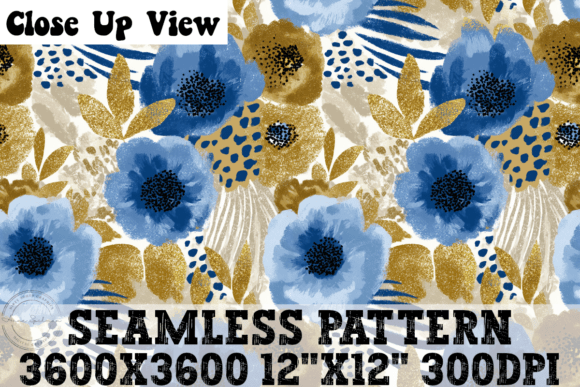
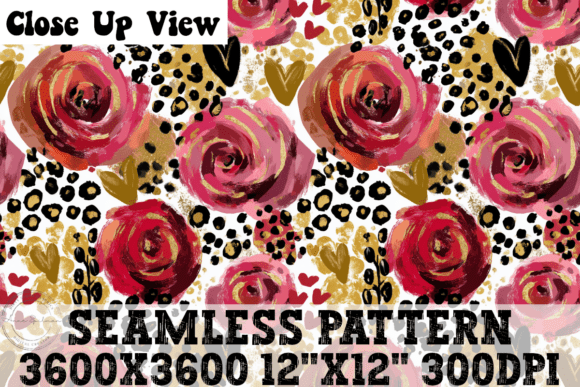
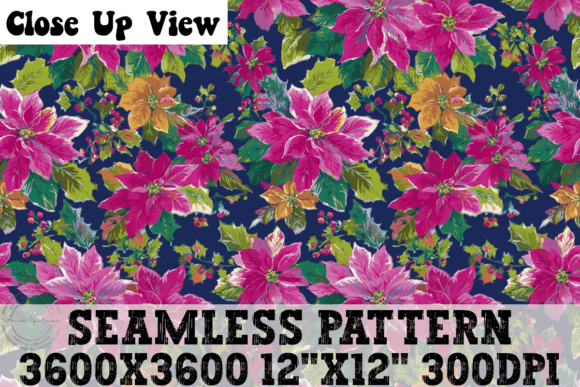
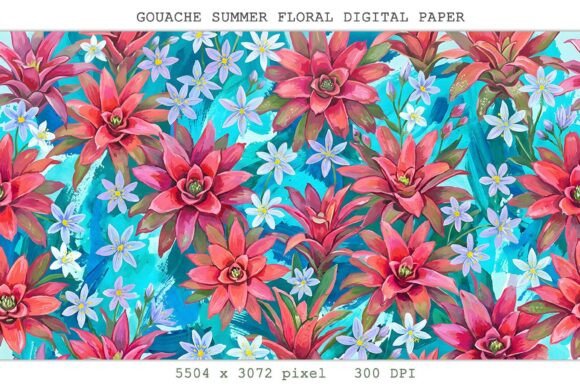
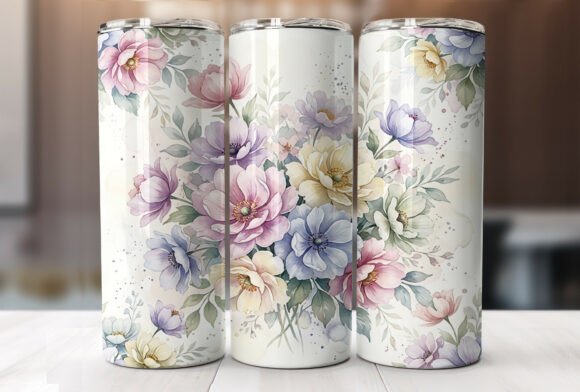
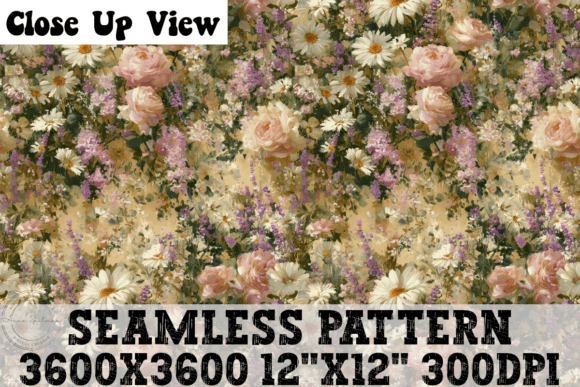
When you first open the Spring Floral Seamless Pattern, the immediate feeling is one of fresh optimism. The layout is a tileable repeat, which suggests versatility right from the start. Unlike single motifs that feel isolated, this pattern creates an atmosphere. It feels like walking through a garden after a rainstorm—light, airy, and full of life. For an embroidery designer, the visual personality is crucial because it dictates the emotional response of the customer. Does this design scream "luxury boutique" or does it whisper "cozy handmade gift"? In my experience, this particular pattern leans heavily toward the latter, making it perfect for items meant to bring comfort and joy.
The detail level strikes a balance that is often hard to find. It is intricate enough to look expensive but simple enough to avoid getting lost in the stitching process. When I imagine this as a machine embroidery design, the shapes suggest they would hold their structure well without becoming a tangled mess of thread. The seamless nature means you aren't fighting visible seams when covering larger areas, which is a common headache for those working on large backdrops like blankets or aprons.
Real-World Application: From Screen to Stitch
To truly test the potential of the Spring Floral Seamless Pattern, I ran a mental simulation of a specific client project: a custom embroidered tote bag for a local florist shop. The goal was to create a reusable shopping bag that felt cohesive and branded. Because the pattern is a seamless repeat, I could visualize it wrapping around the entire side panel of the bag rather than being confined to a small chest pocket.
In this scenario, the stitch density becomes the critical factor. If the floral elements are too dense, the fabric might pucker, ruining the drape of the tote. However, based on the clean lines of the digital preview, I suspect this design works best with a combination of satin stitch for outlines and fill stitch for the petals, perhaps using a running stitch for delicate stems. This mix would add texture and depth, elevating a simple canvas tote into a high-end accessory. A customer picking up such a bag would immediately notice the quality, associating the detailed work with the reliability of the brand selling the flowers.
This same logic applies to other handmade products. Imagine a baby onesie where the pattern is used as a subtle background border. The softness of the spring theme fits perfectly with nursery decor or baby gifts. Or consider a holiday gift set where kitchen towels feature this pattern. The seamless nature allows the design to flow across the towel's width, creating a unified look that feels professionally curated rather than slapped together. For an Etsy seller or small business owner, this kind of consistency builds trust. Buyers can tell when a design is thoughtfully integrated versus when it is just a generic clipart pasted onto a product.
Where to Exercise Caution
While the Spring Floral Seamless Pattern has broad appeal, no single design is a magic bullet for every situation. As an experienced reviewer, I must highlight where this asset might struggle. The primary concern lies in small hoop sizes. If you attempt to stitch this pattern on a tiny cap or a very small patch, the repeating elements might become cluttered. The details that make the design beautiful from a distance could turn into a muddy blob when viewed up close.
Fabric choice is another area requiring careful consideration. Textured fabrics, like heavy bouclé or thick denim, can sometimes swallow fine details. Similarly, stretchy fabrics require a rigid stabilizer to prevent distortion, and even then, a complex repeat pattern might shift during the stitching process. Dark fabrics present a different challenge; while the 300 dpi color preview looks vibrant, the thread colors chosen must have enough contrast to stand out against a black or navy background. If the threads blend too much with the fabric, the intricate floral shapes lose their definition.
I also advise caution with curved surfaces like caps or rounded pillow corners. While the pattern is tileable, maintaining the integrity of the repeat on a curve requires significant skill in digitizing and placement. If the alignment is off by a millimeter, the pattern will break, drawing attention to the flaw rather than the art. Finally, for products that need frequent washing, such as aprons or workwear, ensure the thread colors selected are colorfast. A washed-out floral pattern on a worn apron can look cheap rather than vintage-chic.
Practical Notes for the Embroidery Designer
Before you commit to using the Spring Floral Seamless Pattern in a commercial collection, there are several technical steps you should take. First and foremost, always test the design on scrap fabric. Nothing beats seeing how the actual stitches lay down on the material you intend to use. Check the thread color contrast under natural light and artificial light to ensure the design pops in all environments.
Review the stitch density carefully. If the original file is a raster image (PNG) intended for printing, converting it to an embroidery file requires careful tracing to ensure the stitch paths are logical. Do not assume the digital preview translates directly to machine code. Confirm the hoop size limits of your machine and ensure the pattern repeats align correctly within that space. Inspect small details to see if they are too fine to be rendered clearly by your specific machine needle.
It is also wise to test the design in black and white mockups. This removes the distraction of color and lets you focus purely on the composition and shape. Compare how it looks on both light and dark backgrounds to determine the most versatile color palette. Use proper stabilizer to support the fabric, especially since a seamless pattern covers a larger surface area, increasing the tension on the material.
Finally, verify the licensing terms before selling finished items. While the product description mentions it is a digital paper design for instant download, you must confirm if you are allowed to sell physical goods created with this pattern. Some licenses restrict commercial use or require attribution. Understanding these terms protects your craft business from legal issues down the line.
Final Thoughts on Value and Appeal
The Spring Floral Seamless Pattern offers a solid foundation for a variety of projects, from personalized gifts to boutique branding. Its strength lies in its ability to create a cohesive visual story that customers appreciate. When executed with care, it transforms a basic item into a memorable piece of art. Whether you are designing a tote bag design, updating a line of sweatshirt embroidery, or creating unique embroidered patches, this pattern provides the aesthetic backbone needed to elevate your work.
For the creative entrepreneur, the key is not just having the design, but knowing how to use it. By respecting the limitations of fabric and machinery, and by focusing on the quality of the finish, you can turn this digital asset into a profitable, high-value product. It is a tool that rewards patience and precision, offering a beautiful reward for those willing to put in the work to get it right.