Review: Science Dork Embroidery Design for Real Projects
I have spent years reviewing embroidery files, testing everything from delicate floral monograms to complex corporate logos. Most designs are forgettable, but occasionally a file catches my eye because it balances personality with technical feasibility. The Science Dork design is one of those files that stands out immediately. It is not just a collection of stitches; it is a statement piece that speaks directly to the nerdy side of our creative community.
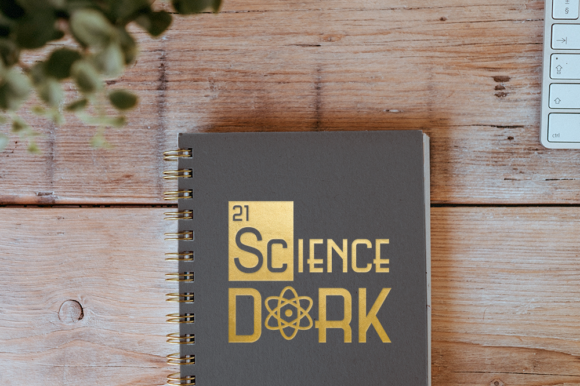
The concept is clever and instantly recognizable. The phrase "Science Dork" features the first two letters replaced by the chemical symbol for Scandium (Sc), the 21st element on the periodic table. This visual pun transforms a simple text design into something that feels authentic to the subject matter. It captures a retro-inspired mood that fits perfectly with current trends in geek-chic apparel and handmade goods. As a designer evaluating this for real-world application, I am impressed by how well it communicates its message without needing a background image or excessive decoration.
First Impressions and Visual Personality
When you open the digital embroidery file, the layout feels balanced. The use of the Scandium symbol adds a layer of sophistication that elevates the design above generic text-based embroidery. It signals that the intended wearer understands chemistry and physics, which creates an immediate connection with the target audience. The retro vibe suggests a font style that is likely bold and slightly rounded, making it versatile for various garment types.
This design naturally belongs in projects where personality is paramount. It is not a subtle accent; it is a conversation starter. Whether you are creating a custom sweatshirt for a science teacher or a playful tote bag for a lab assistant, the Science Dork motif carries a specific energy. It feels confident, slightly self-deprecating, and undeniably cool. For crafters looking to add a touch of humor to their inventory, this graphic offers a strong foundation for building a brand identity around STEM appreciation.
Real-World Application in Embroidery Projects
I recently considered using this design for a batch of custom embroidered tote bags intended for a local science fair vendor booth. My initial thought was that the design would look fantastic on canvas. However, the true test of any embroidery design lies in how it translates from screen to fabric. In this scenario, the clean lines of the text and the distinct shape of the chemical symbol would hold up well against the textured weave of heavy-duty cotton canvas.
Imagine applying this to a baby onesie for a future scientist. The embroidery file would need to be scaled down carefully, but the core elements—the Scandium symbol and the bold lettering—would remain legible. The design works exceptionally well as a personalized gift for parents who want to instill a love of learning early on. Similarly, placing this on a kitchen towel or apron for a home cook who loves chemistry experiments adds a fun, thematic element to the workspace.
For small business owners and Etsy sellers, this design is a goldmine. It appeals to a niche market that is often underserved. You can create a line of products ranging from embroidered patches for denim jackets to sweatshirt embroidery for university staff. The versatility extends to holiday gifts as well; imagine a set of matching family pajamas featuring this design for a Christmas morning reveal. The recognition factor is high, meaning customers will feel seen and understood when they wear or receive a finished product.
Technical Considerations and Fabric Choices
While the concept is strong, practical execution requires attention to detail. When working with machine embroidery design files like Science Dork, you must consider the fabric texture and stability. Dense stitch areas can sometimes cause puckering if the stabilizer is not chosen correctly. For stretchy fabrics like t-shirt jersey, a cut-away stabilizer is essential to maintain the integrity of the Scandium symbol and prevent distortion during wear.
There are specific scenarios where this design should be used with caution. If you are working with very small hoop sizes, such as those required for hat embroidery or cap panels, the legibility of the text might become compromised. The curves of the letters and the details within the chemical symbol could merge together, losing the crisp definition that makes the design effective. In these cases, scaling the design up slightly or simplifying the background may be necessary.
Dark fabrics present another challenge. If the thread colors are not selected with high contrast in mind, the retro aesthetic might get lost in the shadows. A white or light-colored thread on a navy shirt would pop beautifully, maintaining the visual appeal and ensuring the message is clear. Conversely, using dark threads on black fabric would require careful consideration of stitch density to ensure the design does not disappear into the material.
Design Assets for Commercial Use
For those selling digital embroidery files or finished goods, the value of this design lies in its ability to drive engagement. Customers appreciate designs that show effort and creativity. A poorly executed text design can make a brand look amateurish, whereas a well-stitched finished product featuring Science Dork conveys professionalism and trust.
When preparing mockups for your shop listings, it is crucial to show how the design looks on different materials. A printable mockup that displays the design on a tote bag, a hoodie, and a patch helps buyers visualize the potential. This transparency builds confidence and reduces returns caused by mismatched expectations. Additionally, the design's unique theme makes it highly shareable on social media, increasing organic reach for your craft business.
Practical Designer Notes for Success
Before committing to a large production run, I strongly advise testing the design on scrap fabric first. This step allows you to verify the stitch density and ensure that the tension settings on your machine are optimal. Check the thread color contrast by viewing the sample under different lighting conditions. What looks vibrant in bright sunlight might appear dull under indoor fluorescent lights.
Inspect the small details closely, particularly the edges of the Scandium symbol. Sometimes, digitizing errors can cause tiny gaps or uneven satin stitches that are hard to see until the project is complete. Confirming the hoop size requirements is also vital; if the design is too wide for your standard hoops, you may need to split the design or use a larger frame.
Don't forget to review the licensing terms before selling finished items. While many designers offer commercial rights, some restrict the number of units you can produce or prohibit resale entirely. Ensuring you have the proper permissions protects your small shop product line from legal issues. Finally, always compare the design in black and white mockups to ensure the composition holds up without relying on color alone.
In conclusion, the Science Dork design is a standout addition to any library of graphics for embroidery enthusiasts. It combines intellectual charm with practical utility, making it suitable for everything from hobbyist projects to professional commercial ventures. By paying attention to fabric choice, stabilization, and stitch quality, you can create stunning custom apparel and gifts that resonate deeply with science lovers everywhere. Whether you are a seasoned pro or a beginner maker, this design offers a perfect opportunity to showcase your skills while celebrating the joy of science.