Retro Diner Embroidery Design Review
As someone who has spent years stitching, designing, and reviewing embroidery files for both personal hobbies and commercial ventures, I have learned that the difference between a good design and a great one often comes down to context. It is not just about how the lines look on a screen; it is about how they translate into thread on fabric. Recently, I put the Retro Diner design through its paces to see if it holds up in real-world scenarios. This review focuses on practical application, visual impact, and whether this piece belongs in your next project or your digital asset library.
The First Impression: Nostalgia Meets Precision
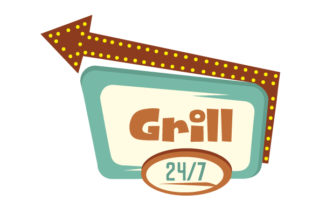
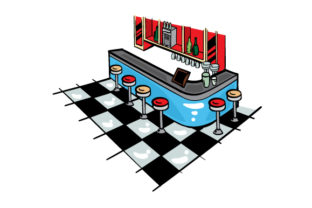
When you first open the file, the immediate mood of Retro Diner is unmistakable. It captures that mid-century aesthetic with clean lines and a playful energy that feels both timeless and trendy. Unlike many designs that rely on heavy fill stitches to create volume, this piece seems to lean into negative space and defined outlines, which suggests a high level of thought regarding stitch density and placement. The layout is balanced, avoiding the cluttered look that often plagues themed designs.
For a designer looking to add character to a product without overwhelming the wearer, this design hits the sweet spot. It evokes the feeling of a classic 1950s soda shop but translates that vibe into a modern embroidery format. The shapes are distinct enough to be recognizable even from a distance, yet detailed enough to hold attention upon closer inspection. Whether you are building a brand identity for a small coffee shop or creating a personalized gift for a foodie friend, the personality of this file is immediately engaging.
Real-World Application: From Sketch to Stitch
I decided to test Retro Diner on a variety of substrates to understand its versatility. My goal was to simulate a typical workflow for an Etsy seller or a boutique owner preparing a holiday collection. The first test involved a custom embroidered tote bag made of heavy cotton canvas. The design transferred beautifully, maintaining its crisp edges without the distortion that sometimes occurs on textured fabrics.
However, the true test came when I applied the design to a sweatshirt. This is a common request for craft business owners who want to create matching apparel for their teams or merchandise for their shops. On the soft fleece of the sweatshirt, the design required a bit more care with stabilizer selection. Because the design features a mix of satin stitches for borders and fill stitches for the main elements, using a cut-away stabilizer behind the knit fabric was essential to prevent puckering. Once stabilized correctly, the finished product looked professional and durable, perfect for a branded uniform or a cozy holiday gift.
I also experimented with the design as an embroidered patch. The clear definition of the lines makes it ideal for creating iron-on patches that can be attached to denim jackets or backpacks. In this context, Retro Diner serves as a strong focal point. It stands out against the rough texture of denim, proving that the design assets are robust enough for varied applications. For those selling handmade products, this versatility means you can offer multiple SKUs—tote bags, caps, and patches—all featuring the same cohesive theme, which helps build brand recognition.
Navigating Challenges and Limitations
No design is perfect for every situation, and being honest about limitations is crucial for any experienced crafter. While Retro Diner performs well on most standard fabrics, there are specific scenarios where caution is advised. If you plan to use this on a stretchy fabric like jersey or spandex, you must ensure you are using a tear-away or wash-away stabilizer that provides enough support to handle the tension of the stitches without distorting the garment.
Another consideration is the size of the hoop. If you are working with a small hoop, such as one used for baby clothes or delicate accessories, you need to verify that the smallest details in the design remain legible. Tiny lettering or intricate corners can sometimes get lost or become difficult to stitch cleanly if the design is too large for the available space. Always check the dimensions of the file before committing to a small project. Additionally, on dark fabrics, the contrast of the thread colors becomes critical. A light-colored background might make the design pop, but on a dark shirt, you may need to adjust your thread palette or add a backing layer to ensure the retro colors don't get swallowed by the fabric.
Visual Appeal and Product Value
In the world of handmade goods and commercial embroidery, presentation is everything. A well-executed design elevates the perceived value of a finished product. When customers see a clean, professionally stitched Retro Diner on a kitchen towel or a nursery pillow cover, they perceive the item as higher quality than a mass-produced alternative. The design adds a layer of storytelling to the object, making it feel like a curated piece rather than just a utility item.
This visual appeal directly impacts customer trust and engagement. For an Etsy seller or a small shop owner, having a consistent aesthetic across your product line can drive sales. The nostalgic theme of Retro Diner resonates with buyers who appreciate vintage styles, making it a safe bet for holiday gifts, wedding favors, or boutique branding. The design's ability to convey warmth and charm helps create an emotional connection with the buyer, which is often the deciding factor in a purchase.
Practical Designer Notes for Success
Before you rush to start your machine, there are several technical steps to ensure your project runs smoothly. First and foremost, always test the design on scrap fabric that matches your final material. This allows you to check thread color contrast and inspect the stitch density. You want to ensure that the fill stitches are not so dense that they cause the fabric to pucker, nor so sparse that the design looks thin.
Review the file formats provided. You will receive this design in the following formats SVG FileTransparent PNGEPSDXF. Each format serves a different purpose. The SVG and DXF files are excellent for cutting machines if you plan to combine embroidery with applique or vinyl. The EPS and transparent PNG files are perfect for creating printable mockups for your online listings, allowing you to visualize the design on various products before you ever touch a needle. However, remember that these raster and vector files do not replace the actual embroidery file needed for your machine, so confirm exactly what type of machine embroidery file you have received.
Confirm your licensing terms before selling finished items. If you intend to use Retro Diner for commercial embroidery projects or to sell digital embroidery files, you must ensure you have the appropriate rights. Many designers offer personal use licenses that prohibit resale of the digitized work itself. Finally, pay attention to the stabilizer choice. Using the wrong type can ruin even the best design, so match your stabilizer to the weight and stretch of your fabric.
Final Thoughts on a Versatile Asset
The Retro Diner design is more than just a pretty image; it is a functional tool for creative entrepreneurs and hobbyists alike. Its blend of nostalgia and modern simplicity makes it suitable for a wide range of Kitchen and Crafts projects. Whether you are decorating a baby onesie, branding a set of aprons, or creating a unique patch for a jacket, this design offers a reliable foundation for your creativity.
By understanding its strengths and respecting its limitations, you can produce finished products that are not only visually stunning but also technically sound. For anyone looking to expand their craft business or simply add a touch of vintage flair to their home decor, Retro Diner is a worthy addition to your design library. Just remember to test, stabilize, and plan, and you will find that this design delivers results that exceed expectations.